%2Ffit-in%2F250x250%2Fguide_websites%2F55604%2Fimages%2F1760672693341chatgptimageoct17202511_32_11am.png&w=1920&q=100)
/users/0f4fb2cb-42f2-44dd-aabb-7916be6591a2/ratecard/5-mgstsyim.jpeg)
%2F300x300%2Fusers%2F0f4fb2cb-42f2-44dd-aabb-7916be6591a2%2Fratecard%2F5-mgstsyim.jpeg&w=256&q=75)
%2F300x300%2Fusers%2F0f4fb2cb-42f2-44dd-aabb-7916be6591a2%2Fimages%2Ffishing-in-ochopee-3216.jpg&w=256&q=75)
%2F300x300%2Fusers%2F0f4fb2cb-42f2-44dd-aabb-7916be6591a2%2Fimages%2Fredfish-caught-florida-3311.jpg&w=256&q=75)
%2F300x300%2Fusers%2F0f4fb2cb-42f2-44dd-aabb-7916be6591a2%2Fimages%2Fsnook-caught-ochopee-3364.jpg&w=256&q=75)
%2F300x300%2Fusers%2F0f4fb2cb-42f2-44dd-aabb-7916be6591a2%2Fimages%2Ffishing-in-ochopee-3366.jpg&w=256&q=75)
%2F300x300%2Fusers%2F0f4fb2cb-42f2-44dd-aabb-7916be6591a2%2Fimages%2Fsnook-fish-florida-3527.jpg&w=256&q=75)
%2F300x300%2Fusers%2F0f4fb2cb-42f2-44dd-aabb-7916be6591a2%2Fimages%2Ffishing-sunny-florida-2562.jpeg&w=256&q=75)
%2F300x300%2Fusers%2F0f4fb2cb-42f2-44dd-aabb-7916be6591a2%2Fimages%2Ffishing-adventure-ochopee-2454.jpeg&w=256&q=75)
%2F300x300%2Fusers%2F0f4fb2cb-42f2-44dd-aabb-7916be6591a2%2Fimages%2Ffishing-in-ochopee-2488.jpeg&w=256&q=75)
%2F300x300%2Fusers%2F0f4fb2cb-42f2-44dd-aabb-7916be6591a2%2Fimages%2Fbest-great-fishing-ochopee-2577.jpeg&w=256&q=75)
%2F300x300%2Fusers%2F0f4fb2cb-42f2-44dd-aabb-7916be6591a2%2Fimages%2Fcatching-best-snook-ochopee-2542.jpeg&w=256&q=75)
Expert-Guided Everglades Fishing Adventure
 Everglades
What you will be catching:
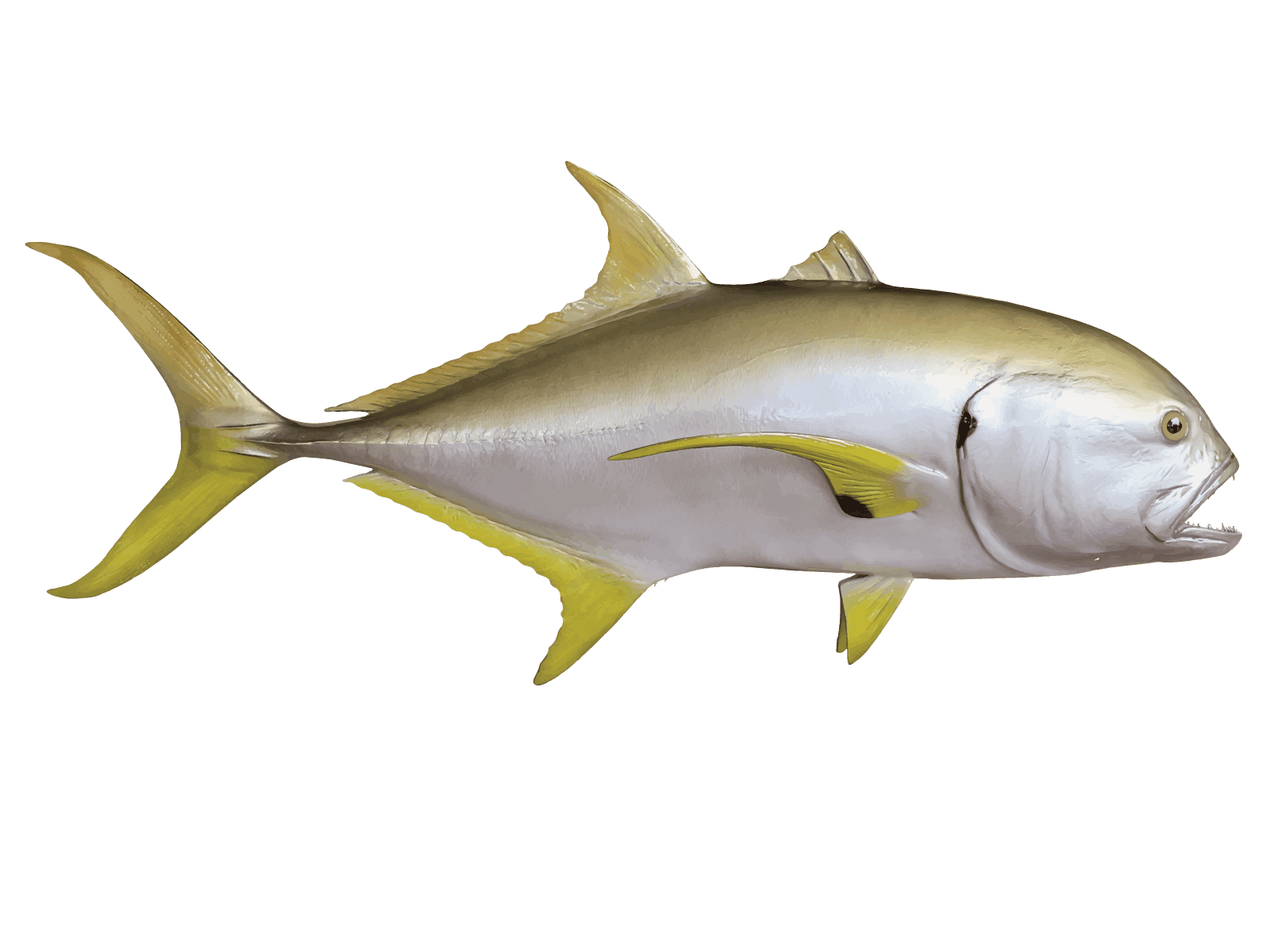
 Crevalle Jack
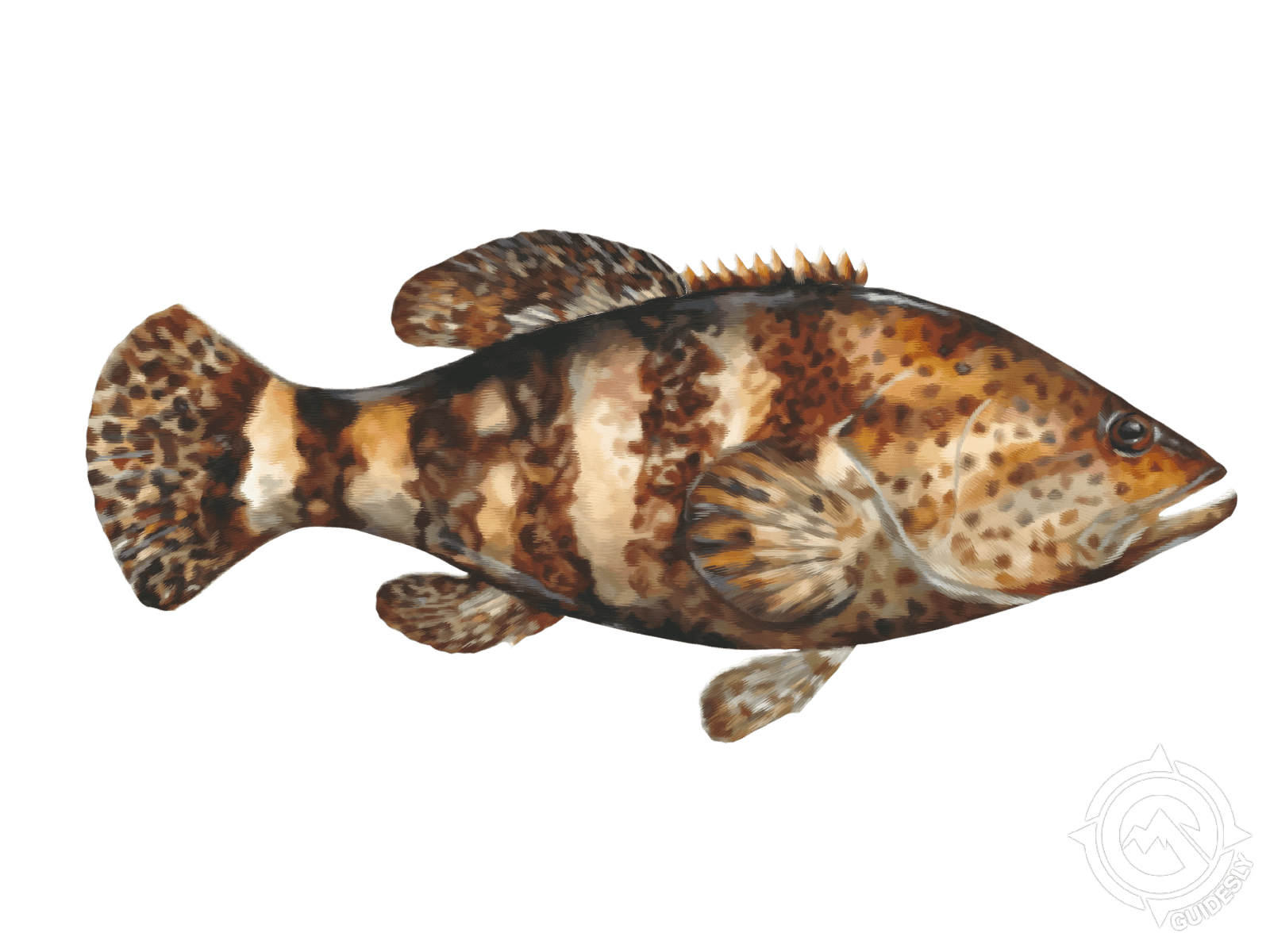
 Goliath Grouper
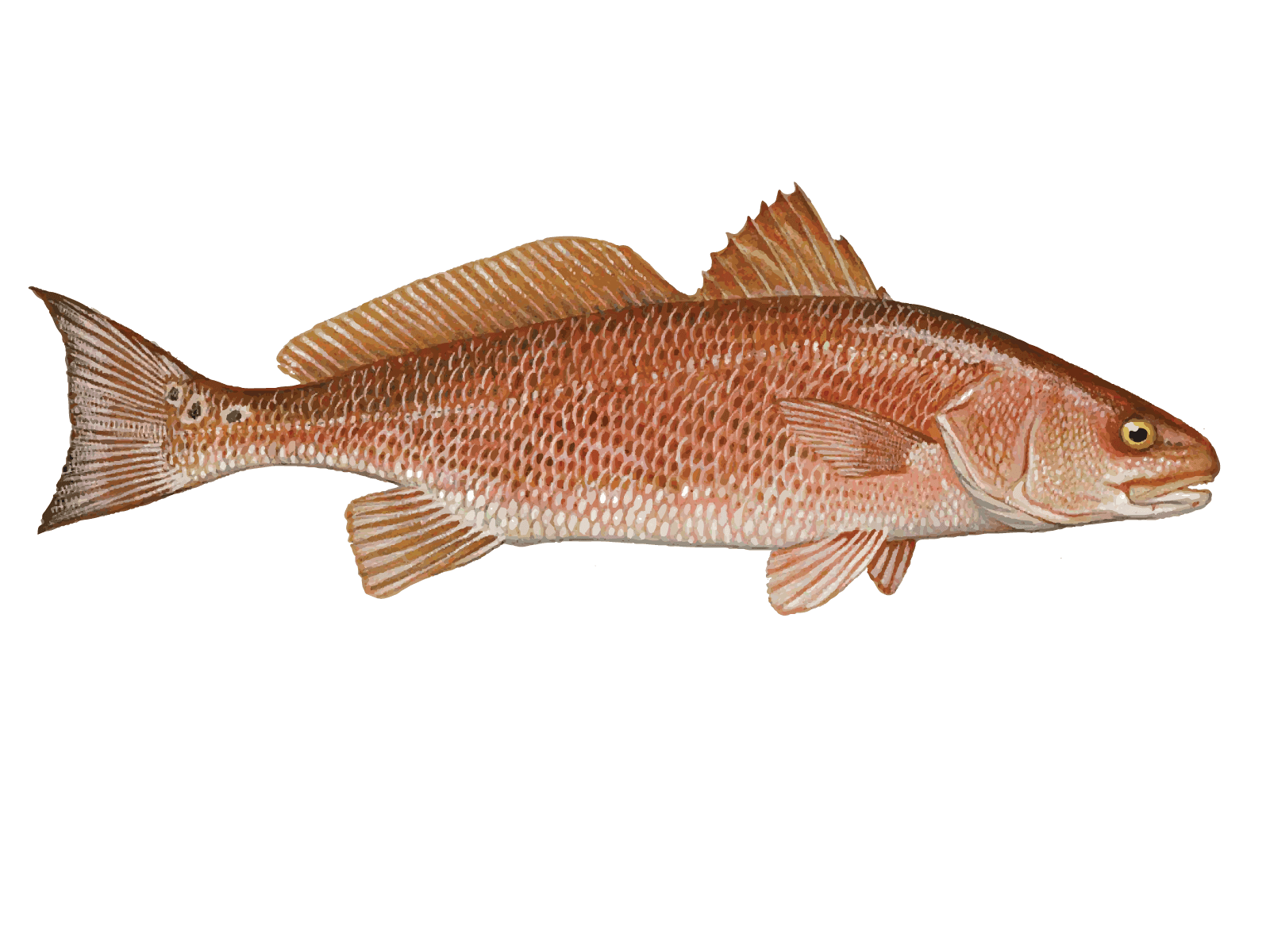
 Redfish
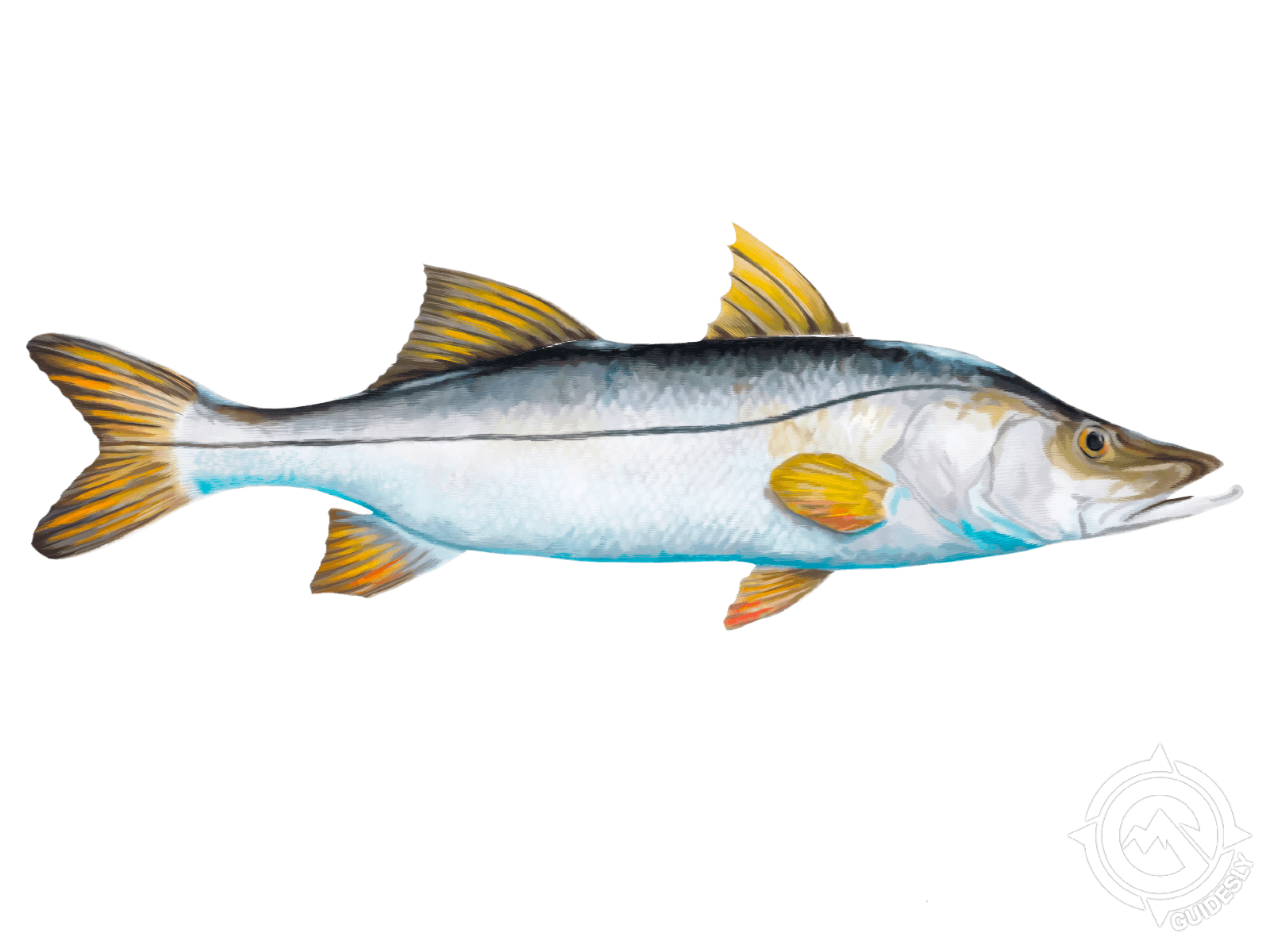
 Snook
Snook Tarpon
- Full-day Everglades backcountry fishing adventure targeting premium gamefish
- Complete gear package including tackle, bait, and fishing licenses provided
- Expert guide shares local knowledge in pristine wilderness locations
Trip Pricing and Availabilities:
Everglades Backcountry Fishing: Wilderness Trail
Hey there, anglers! Ready to ditch the crowds and hit the hidden honey holes of Everglades National Park? Our Wilderness Trail fishing trip is your ticket to a day of light tackle action in some of the most pristine backwaters you'll ever wet a line in. We're talking snook ambushing bait in mangrove roots, redfish tailing in the shallows, and tarpon rolling just out of reach. This six-hour adventure kicks off at the crack of dawn, giving you prime time on the water when the fish are hungriest and the wildlife is most active.
What to Expect on the Water
Picture this: You and a buddy, cruising through narrow creeks and winding mangrove tunnels, with nothing but the sound of mullet jumping and your line zipping off the reel. We keep our groups small - just you and one other angler - to make sure you get the most out of every spot we hit. I'll be right there with you, sharing local knowledge and helping you dial in your technique for these unique waters. We provide all the gear you need, from rods and reels to the freshest bait, so you can focus on the fishing, not the logistics. And don't sweat the paperwork - your fishing license is covered too.
Top Catches This Season
The Everglades backcountry is a year-round fishery, but each season brings its own highlights. In the cooler months, redfish and snook stack up in the deeper holes, while spring and summer see tarpon and big jacks muscling their way through the skinny water. We'll be using light tackle - think 10-20 lb test - which means even a modest snook will give you a run for your money. Expect to throw soft plastics, topwater plugs, and live bait depending on what's working that day. The key here is stealth and accuracy - these fish didn't get big by being dumb, so we'll need to bring our A-game.
Species You'll Want to Hook
Snook: The bread and butter of Everglades fishing. These ambush predators love to hang out around structure, waiting to pounce on unsuspecting bait. They're known for their explosive strikes and acrobatic jumps, often throwing the hook just when you think you've got them. The biggest snook typically show up in the spring and fall, with some monsters pushing 40 inches.
Redfish: If you see a copper-colored tail waving at you in skinny water, you've found a redfish. These bulldogs of the flats put up a stubborn fight, often trying to wrap you around mangrove roots. They're suckers for a well-placed soft plastic or gold spoon. The fall mullet run brings in some of the biggest reds of the year.
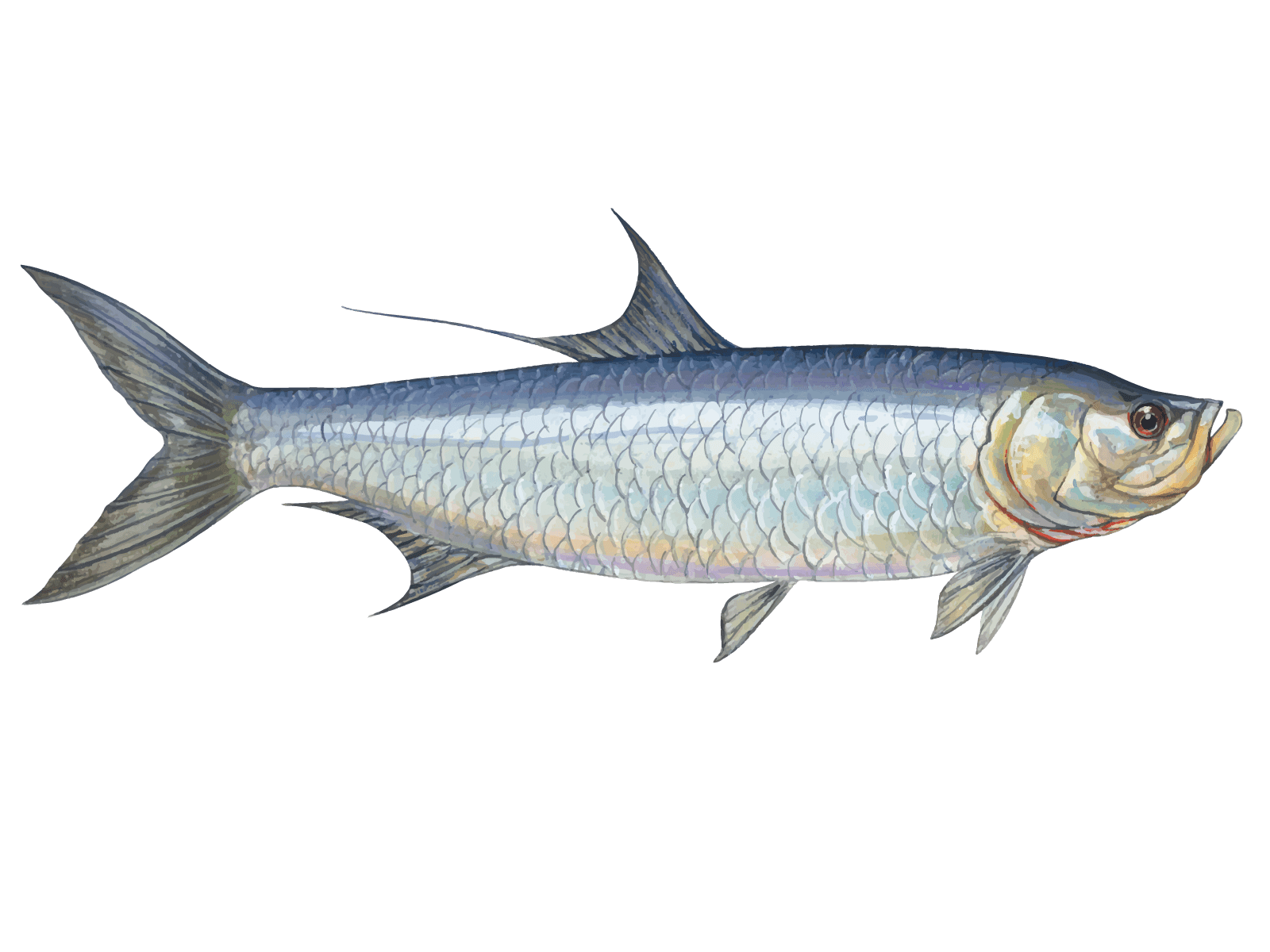
Tarpon: The silver king is the ultimate bucket list fish for many anglers. In the Everglades, we get a mix of resident tarpon year-round and migratory giants in the late spring and early summer. Hooking one is thrilling; landing one is an accomplishment. Even the smaller 20-40 pounders will test your arms and your drag.
Goliath Grouper: These gentle giants can grow to over 800 pounds, but we typically encounter "smaller" ones in the 50-200 pound range in the backcountry. They're catch-and-release only, but the sheer power of hooking into one of these prehistoric-looking fish is unforgettable. They love to hang around sunken trees and deep holes.
Crevalle Jack: Pound for pound, these might be the hardest fighting fish in the 'Glades. Jacks hunt in wolfpacks, churning up the water as they chase bait. When they're on the feed, it's non-stop action. They'll hit just about anything that moves and will put your drag system to the test.
Why Anglers Keep Coming Back
The Wilderness Trail isn't just about the fish - it's a full-on Everglades experience. While we're poling through the backcountry, keep your eyes peeled for gators sunning themselves on the banks, roseate spoonbills wading in the shallows, and maybe even a manatee or two cruising by. The scenery out here is straight out of a nature documentary, and you're right in the middle of it. Plus, with the variety of species we target, no two trips are ever the same. One day you might be sight-casting to tailing reds, the next you could be battling a goliath grouper in a sunken cypress grove.
Time to Book Your Spot
Alright, folks, if you're itching to get out on the water and tangle with some of the best inshore fishing Florida has to offer, it's time to lock in your date. Remember, we're limited to just two anglers per trip to keep things personal and productive. Bring your camera, a hat, and your sense of adventure - we'll handle the rest. Oh, and don't forget to pack a cooler with some drinks and snacks. Nothing works up an appetite like a day of reeling in the big ones. Ready to make some fishing memories in one of the wildest places left in the Sunshine State? Let's do this!
Learn more about the animals
Crevalle Jack
Crevalle Jacks are the bullies of the flats - aggressive, hard-fighting, and always hungry. These broad-shouldered bruisers usually run 3-15 pounds but can top 30. Look for them in open bays, around structure, or busting bait schools on the surface. They're here year-round but really fire up in summer. Jacks aren't great eating, but they're a blast to catch. They hit hard and fight even harder, often stripping line faster than you can reel. Watch for birds diving on bait - that's often a sign jacks are feeding below. Throw anything that mimics a fleeing baitfish and retrieve it fast. Topwater lures can trigger explosive strikes. Just be ready - when a jack hits, it's like you've hooked a freight train.
Goliath Grouper
Goliath Groupers live up to their name - these massive fish can grow over 8 feet long and weigh up to 800 pounds. You'll find them hanging around reefs, shipwrecks, and other structures in depths from 16 to 160 feet. They're ambush predators, gulping down anything that fits in their huge mouths. Goliaths are a protected species, so it's catch-and-release only. But man, what a catch! Hooking one feels like you've snagged a Volkswagen. Use heavy tackle - at least 100-pound test line. Live bait works best - big jacks, mullet, or stingrays. Drop it right by their lair and hold on tight. The fight is usually short but intense. Remember, these fish are endangered, so handle them carefully and release quickly.
Redfish
Redfish, or red drum, are one of our most popular inshore targets. They typically run 20-30 inches and 6-8 pounds, with that distinctive spot near the tail. You'll find them tailing in shallow grass flats, prowling mangrove shorelines, or hanging around oyster bars. Fall is prime time when big schools push into the shallows. Reds put up a stubborn, bulldogging fight and make excellent table fare. Look for their copper-colored backs or tails breaking the surface in skinny water. A gold spoon or soft plastic jig worked slowly along the bottom is hard to beat. Pro tip: If you see a school, cast well ahead of them and slowly work your lure into their path. Redfish are wary, so a stealthy approach is key.
Snook
Snook are the stars of our backcountry fishing. These sleek predators, with their distinctive black lateral line, typically run 1-3 feet long. You'll find them lurking around mangrove roots, oyster bars, and channel edges. Spring and fall are prime seasons as water temperatures change. Snook put up an amazing fight - explosive runs, gill-rattling head shakes, and acrobatic jumps. Their white meat is delicious too, though highly regulated. To hook one, try live bait like pilchards or pinfish around structure. Or work a soft plastic jerk bait with erratic twitches. Pro tip: when a snook hits, drop your rod tip and let it turn before setting the hook. That'll help you land more of these wily fighters.
Tarpon
Tarpon are the silver kings of our waters. These prehistoric-looking fish can top 6 feet and 150 pounds, with shimmering scales and a massive upturned mouth. You'll find them rolling in shallow bays, around bridges, and in deeper channels. Spring and early summer are prime times as they migrate. Tarpon are pure muscle and famous for their acrobatic leaps when hooked. It's all about the thrill of the fight - their meat's no good for eating. Live mullet or crabs are top baits, but artificial lures and flies work too. When you hook up, bow to the king - drop your rod tip when they jump to prevent the line from breaking. Even if you don't land one, seeing a tarpon airborne is something you'll never forget.
About the Maverick
%2F%2Fusers%2F0f4fb2cb-42f2-44dd-aabb-7916be6591a2%2Fvehicle_picture%2Funnamed-mgs5w721.jpg&w=1920&q=75)
Vehicle Guest Capacity: 2
Manufacturer Name: yamaha
Maximum Cruising Speed: 35
Number of Engines: 1
Horsepower per Engine: 70