%2Ffit-in%2F250x250%2Fguide_websites%2F55604%2Fimages%2F1760672693341chatgptimageoct17202511_32_11am.png&w=1920&q=100)
/users/0f4fb2cb-42f2-44dd-aabb-7916be6591a2/ratecard/2-mgsuf7es.jpeg)
%2F300x300%2Fusers%2F0f4fb2cb-42f2-44dd-aabb-7916be6591a2%2Fratecard%2F2-mgsuf7es.jpeg&w=256&q=75)
%2F300x300%2Fusers%2F0f4fb2cb-42f2-44dd-aabb-7916be6591a2%2Fimages%2Ffishing-in-ochopee-3216.jpg&w=256&q=75)
%2F300x300%2Fusers%2F0f4fb2cb-42f2-44dd-aabb-7916be6591a2%2Fimages%2Fredfish-caught-florida-3311.jpg&w=256&q=75)
%2F300x300%2Fusers%2F0f4fb2cb-42f2-44dd-aabb-7916be6591a2%2Fimages%2Fsnook-caught-ochopee-3364.jpg&w=256&q=75)
%2F300x300%2Fusers%2F0f4fb2cb-42f2-44dd-aabb-7916be6591a2%2Fimages%2Ffishing-in-ochopee-3366.jpg&w=256&q=75)
%2F300x300%2Fusers%2F0f4fb2cb-42f2-44dd-aabb-7916be6591a2%2Fimages%2Fsnook-fish-florida-3527.jpg&w=256&q=75)
%2F300x300%2Fusers%2F0f4fb2cb-42f2-44dd-aabb-7916be6591a2%2Fimages%2Ffishing-sunny-florida-2562.jpeg&w=256&q=75)
%2F300x300%2Fusers%2F0f4fb2cb-42f2-44dd-aabb-7916be6591a2%2Fimages%2Ffishing-adventure-ochopee-2454.jpeg&w=256&q=75)
%2F300x300%2Fusers%2F0f4fb2cb-42f2-44dd-aabb-7916be6591a2%2Fimages%2Ffishing-in-ochopee-2488.jpeg&w=256&q=75)
%2F300x300%2Fusers%2F0f4fb2cb-42f2-44dd-aabb-7916be6591a2%2Fimages%2Fbest-great-fishing-ochopee-2577.jpeg&w=256&q=75)
%2F300x300%2Fusers%2F0f4fb2cb-42f2-44dd-aabb-7916be6591a2%2Fimages%2Fcatching-best-snook-ochopee-2542.jpeg&w=256&q=75)
Premium Everglades Backcountry Fishing Trip
 Everglades
What you will be catching:
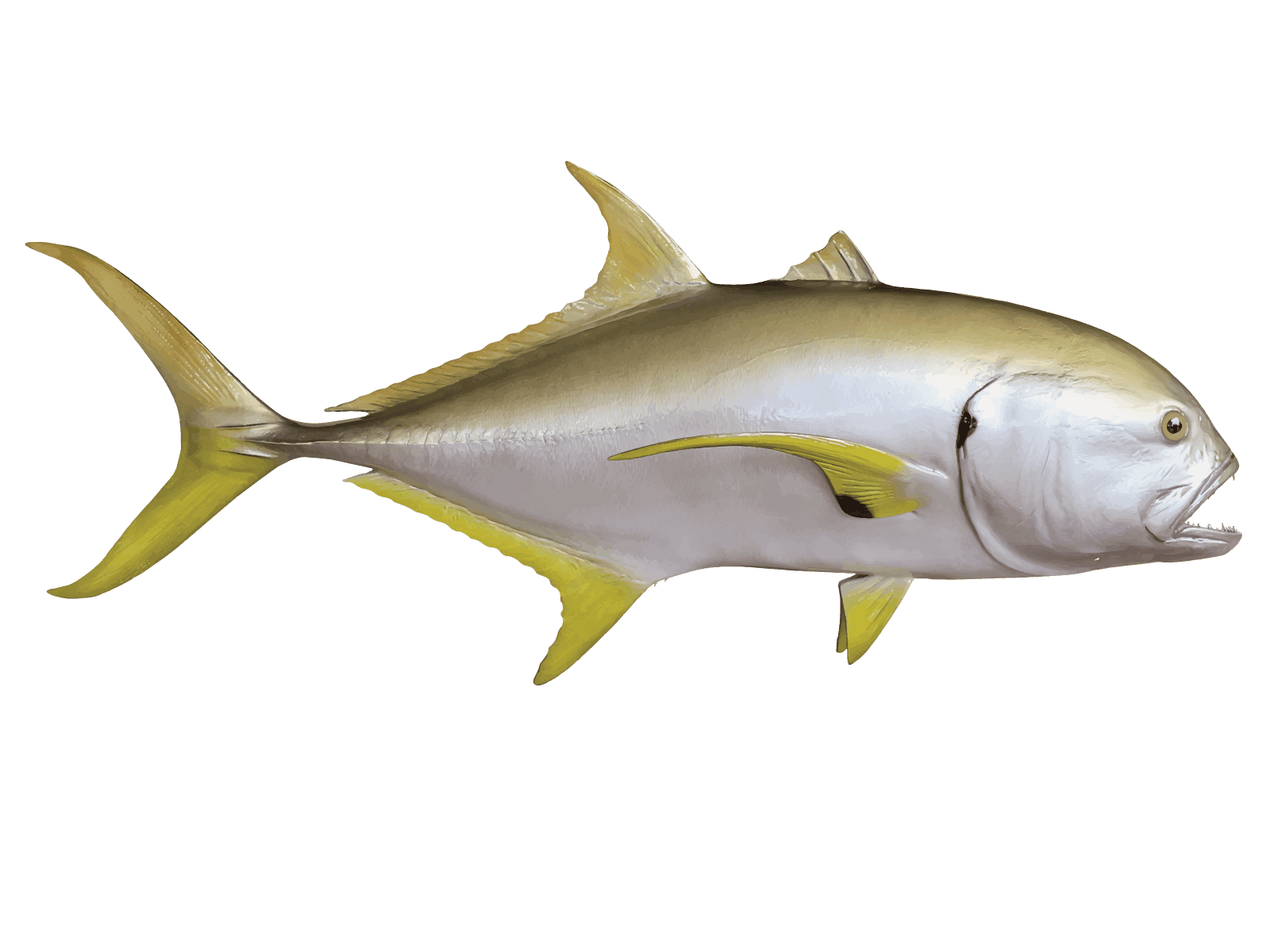
 Crevalle Jack
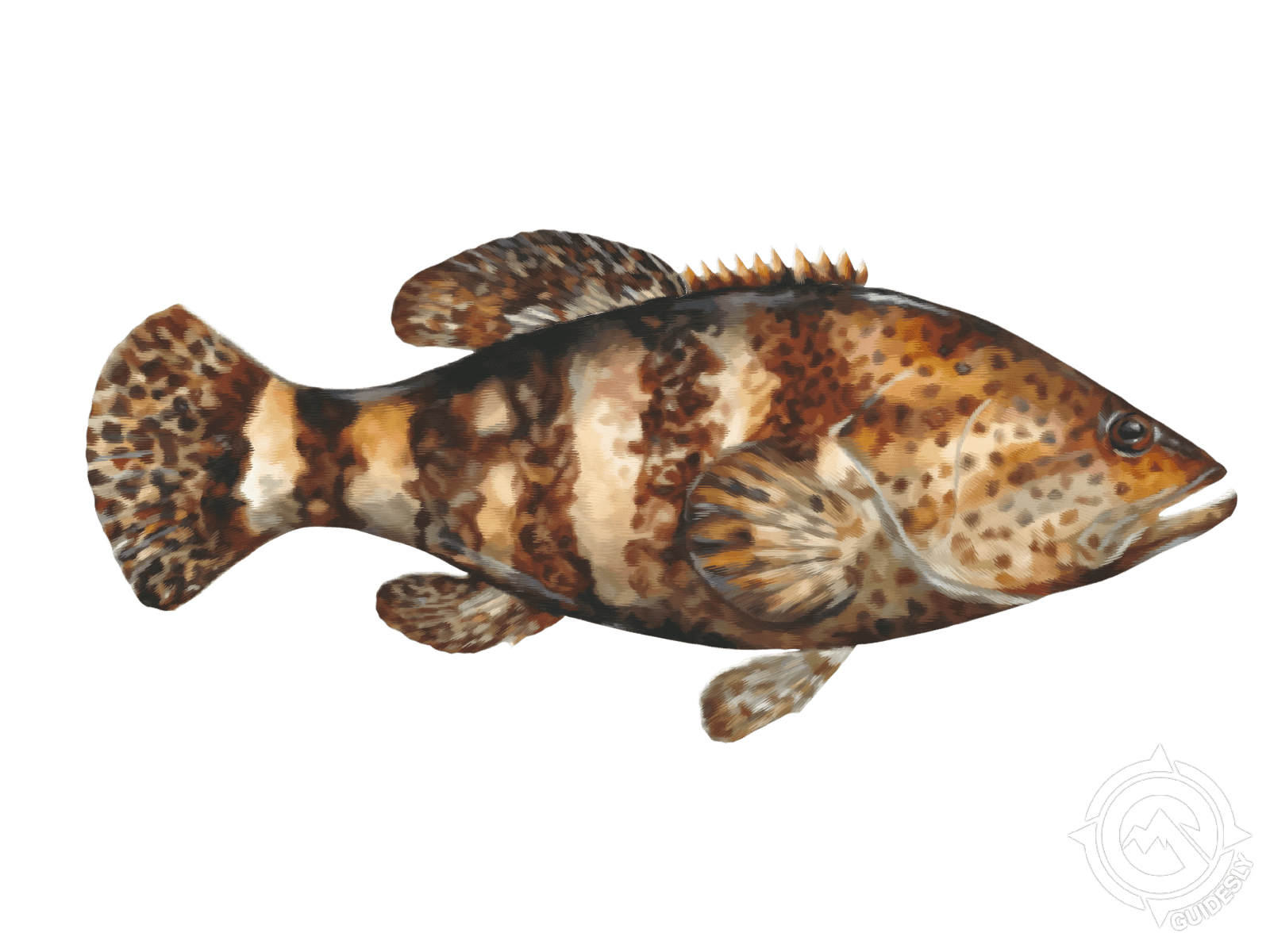
 Goliath Grouper
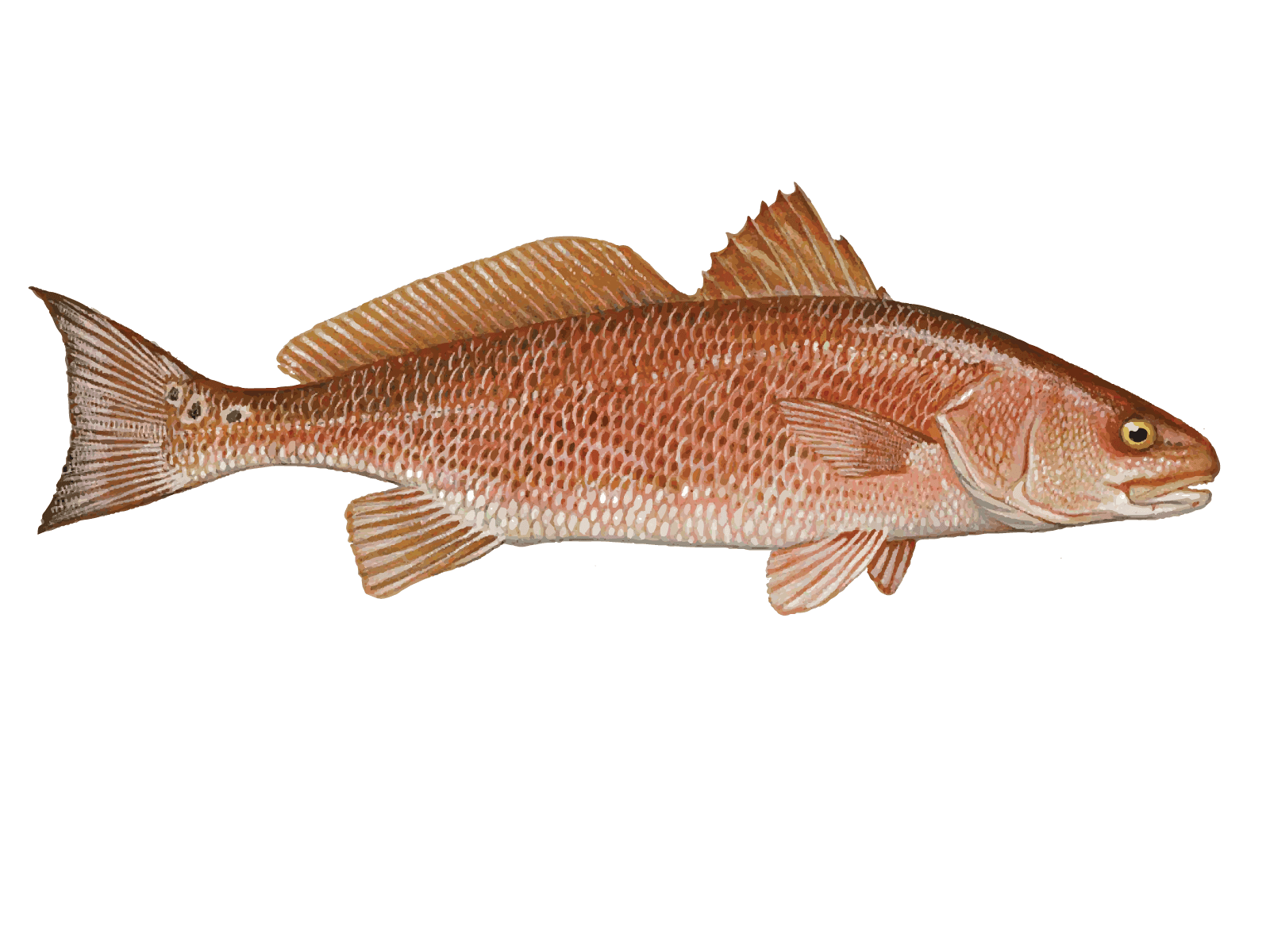
 Redfish
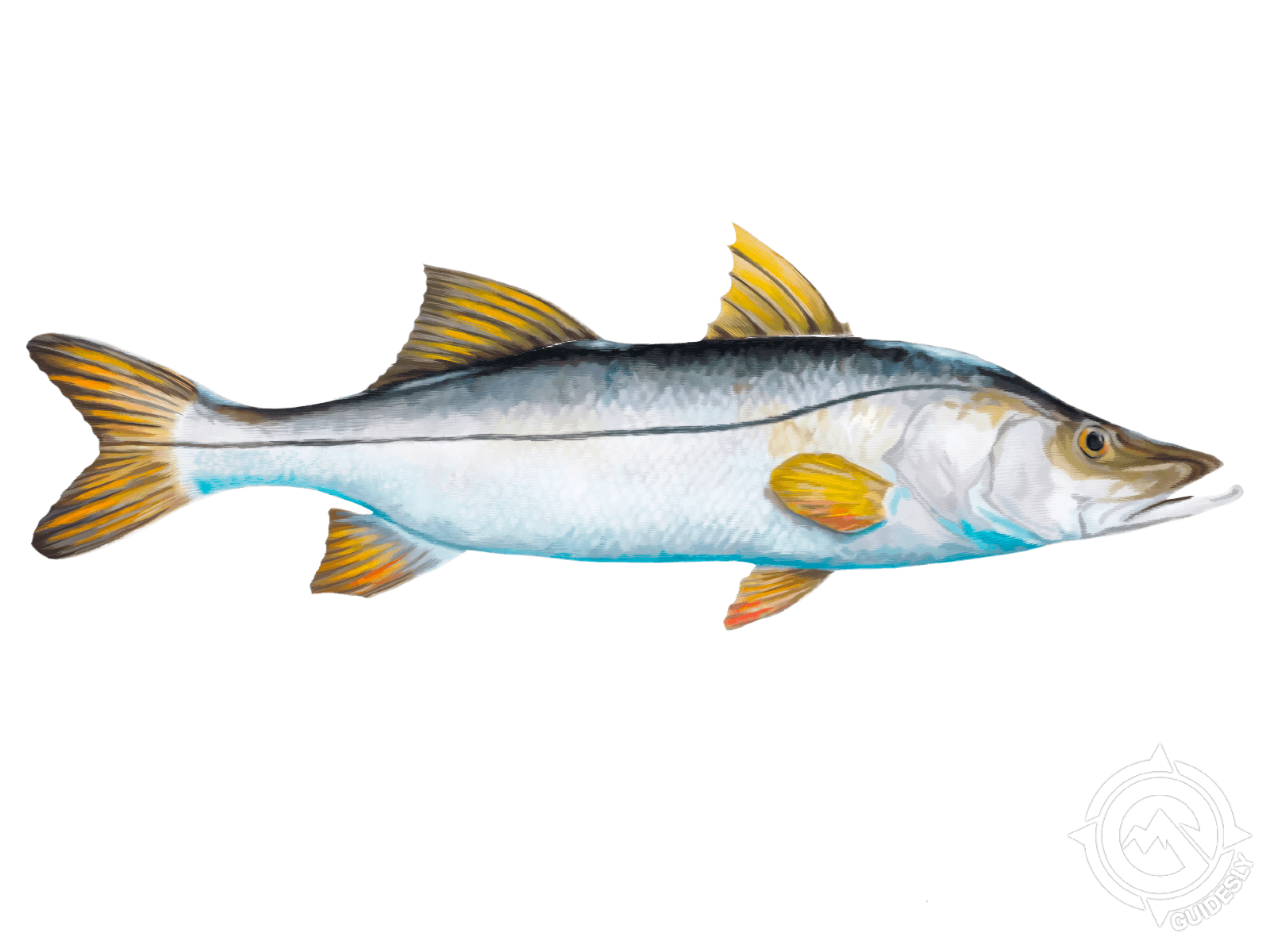
 Snook
Snook Tarpon
- Eight-hour backcountry Everglades fishing expedition targeting four species
- Light tackle fishing through shallow creeks and mangrove wilderness areas
- All equipment, licenses, and live bait provided for two-angler groups
Trip Pricing and Availabilities:
Full-Day Everglades Backcountry Fishing Adventure
Get ready to cast your line in one of Florida's most iconic wild places. Our Full-Day Everglades Backcountry Guided Fishing Trip takes you deep into the heart of the 'Glades for eight solid hours of inshore action. We'll navigate the legendary Wilderness Trail, weaving through mangrove mazes and hidden creeks where the big ones lurk. This isn't your average tourist trap fishing - we're talking real deal backcountry angling where snook, redfish, and tarpon reign supreme. Perfect for pairs who want to escape the crowds and test their skills against some of the toughest fighters in these waters.
What to Expect on the Water
We kick off at the crack of dawn - 7 AM sharp. That early start is crucial for beating the heat and catching fish when they're most active. You'll be teamed up with one of our seasoned Everglades guides who knows these waters like the back of their hand. We keep our groups small - just you and a buddy - to ensure you get the most out of every cast. Light tackle and live bait are our go-to's out here. It's all about finesse and reading the water. You'll learn to spot the subtle signs of fish activity, from nervous bait to those telltale swirls on the surface. And don't worry about gear - we've got you covered with top-notch rods, reels, and all the tackle you'll need. Your Florida fishing license is included too, so you can focus on the fishing, not the paperwork.
Inside the Backcountry
The Everglades backcountry is a maze of shallow creeks, hidden bays, and mangrove-lined channels. It's a unique ecosystem where saltwater and freshwater mix, creating the perfect habitat for a variety of gamefish. We'll pole through skinny water where redfish tail in the shallows, and drift along deeper channels where snook ambush their prey. You'll get to try different techniques throughout the day - from sight fishing in crystal clear flats to working topwater lures along mangrove shorelines. It's not just about the fish either. Keep your eyes peeled for gators sunning themselves, roseate spoonbills wading in the shallows, and maybe even a manatee or two. This is wild Florida at its finest, and you're right in the middle of it.
Why Anglers Keep Coming Back
There's something special about fishing the Everglades that keeps folks coming back year after year. Maybe it's the thrill of hooking into a monster snook that darts for the mangroves. Or the heart-pounding excitement of watching a tarpon roll on your bait before taking off on an acrobatic run. For many, it's the peace and quiet you can only find deep in the backcountry, miles away from the nearest boat ramp or cell tower. Our regulars tell us it's a combination of all these things, plus the challenge. Every day out here is different, and you never know what you might catch next. That unpredictability is what makes Everglades fishing so addictive.
Species You'll Want to Hook
Snook: These hard-fighting linesiders are the kings of the mangroves. Known for their explosive strikes and powerful runs, snook are a top target for many Everglades anglers. They love to hang around structure, so we'll be casting close to mangrove roots and fallen trees. The biggest snook tend to show up in the cooler months, but you can catch them year-round in the Everglades. Landing a big snook is a true test of an angler's skill and patience.
Goliath Grouper: These massive fish are like the gentle giants of the Everglades. Once endangered, Goliath Grouper populations have rebounded, and we're seeing more of them in the backcountry. They can grow to over 800 pounds, though the ones we encounter are usually in the 100-300 pound range. Hooking into a Goliath is like trying to pull a Volkswagen off the bottom - it's a true test of strength and endurance. We practice catch and release with these big guys to help maintain the population.
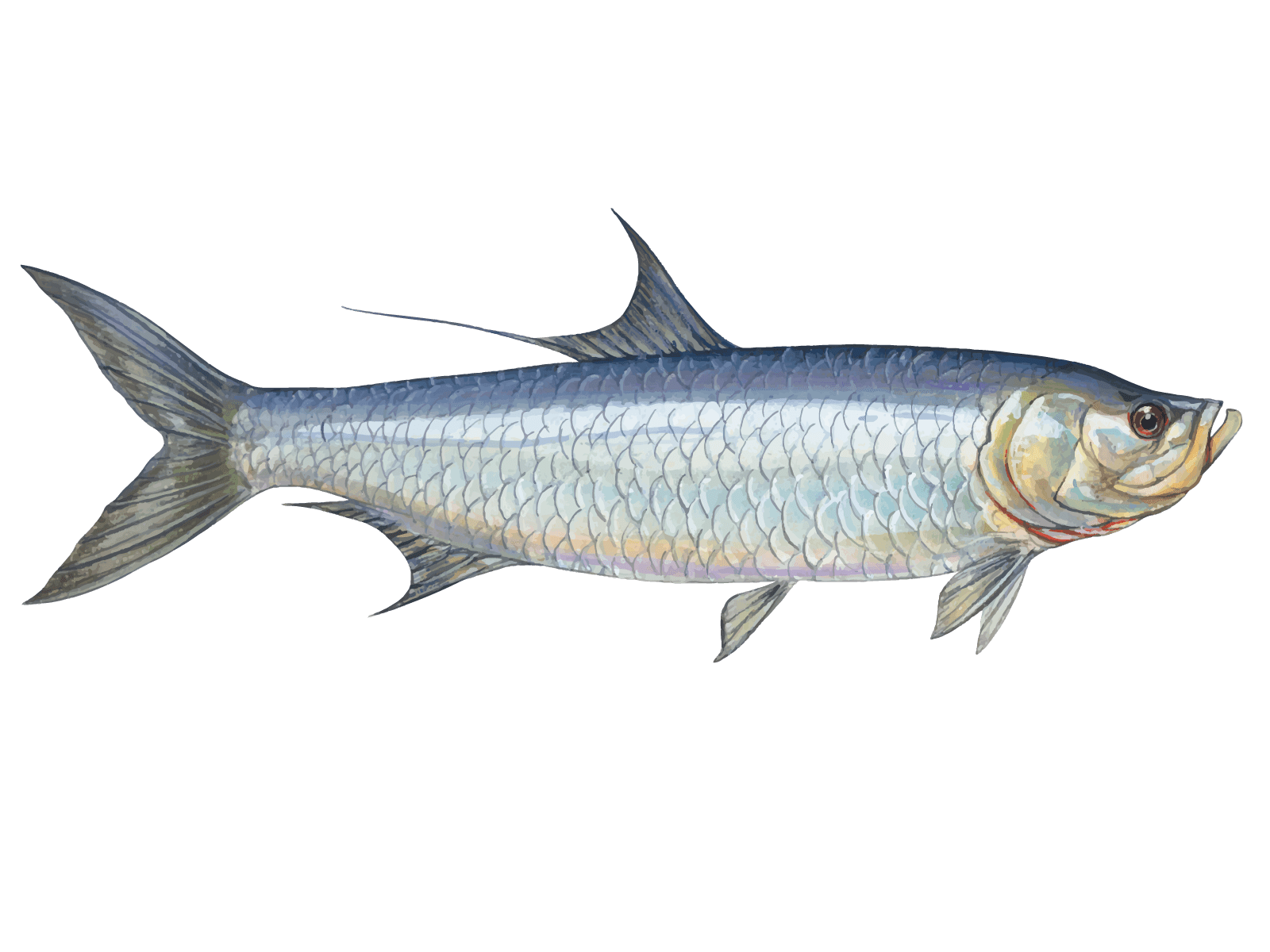
Tarpon: The "Silver King" is the holy grail for many inshore anglers. Tarpon in the Everglades can range from 20-pound juveniles all the way up to 150-pound monsters. They're famous for their acrobatic leaps and long, powerful runs. The best tarpon fishing usually happens in the late spring and early summer when they gather in large schools. Hooking a tarpon is exciting, but landing one is a real accomplishment - these fish have hard, bony mouths that make them experts at throwing hooks.
Redfish: Also known as red drum, these copper-colored beauties are a staple of Everglades fishing. They're often found tailing in shallow water, giving sight-fishing enthusiasts a real thrill. Redfish are known for their strong, steady fights and their delicious taste (though we encourage catch and release in the park). Fall is usually prime time for big bulls, but you can catch redfish year-round in the Everglades.
Crevalle Jack: If you're looking for a fish that pulls like a freight train, the Crevalle Jack is your target. These hard-fighting fish travel in schools and can turn a quiet day into non-stop action in minutes. They're not known for their table fare, but pound-for-pound, they're some of the strongest fish in these waters. Jacks can be caught year-round but are especially active in the warmer months.
Time to Book Your Spot
A full day in the Everglades backcountry is more than just a fishing trip - it's a chance to disconnect from the world and reconnect with nature. Whether you're an experienced angler looking to test your skills or a newcomer eager to learn, our guides will tailor the experience to your level. Remember, we're limited to just two guests per trip, so spots fill up fast, especially during peak seasons. Don't miss your chance to experience some of the best inshore fishing Florida has to offer. Grab your favorite fishing buddy and book your Everglades adventure today. The backcountry is calling, and the fish are waiting!
Learn more about the species
Crevalle Jack
Crevalle jacks are the bulldogs of the Everglades. These hard-fighting fish typically run 3-15 pounds, but can reach up to 50 pounds. You'll find them in coastal waters, inlets, and even up into brackish areas. They're most active in warmer months, often busting bait on the surface. Anglers love jacks for their aggressive nature and stamina – hook one and you're in for a workout. They'll hit just about anything that moves, from live bait to topwater plugs. Here's a local tip: watch for birds diving on bait schools, that's often a sign jacks are feeding below. Cast into the frenzy and hang on tight. These fish don't quit easily, so make sure your drag is set right. While they're not the best eating, pound-for-pound, crevalle jacks are some of the hardest-fighting fish in the Everglades.
Goliath Grouper
Goliath grouper are the gentle giants of the Everglades. These massive fish can grow over 8 feet long and weigh up to 800 pounds. You'll find them hanging around reefs, shipwrecks, and other structures in depths from 16 to 160 feet. They're most active in warmer months, from late spring through early fall. Goliaths are catch-and-release only, but hooking one is an experience you won't forget. They put up a stubborn fight, using their bulk to their advantage. Anglers love the challenge and the chance to see these prehistoric-looking fish up close. Live bait is the way to go – big jacks or mullet work well. Here's a tip: use heavy tackle and fish as close to the structure as you can. When you hook up, get ready for a tug-of-war! Remember to keep the fish in the water for a quick release.
Redfish
Redfish, or red drum, are a staple of Everglades fishing. These copper-colored beauties typically run 20-30 inches, with some bulls pushing 40 inches or more. You'll find them tailing in shallow grass flats or prowling around oyster bars and mangrove shorelines. Fall is prime time when big schools move into the backcountry. Anglers love sight-fishing for reds – spotting that telltale tail waving above the surface gets the heart pumping. They put up a great fight, often making powerful runs. Live shrimp or cut bait work well, but artificial lures like gold spoons are deadly too. Here's a local tip: on calm days, look for pushes of water or mud trails to locate cruising reds. Cast ahead of them and work your lure slowly – reds often inspect their prey before striking. The satisfaction of fooling a wary red drum in gin-clear water is hard to beat.
Snook
Snook are a prized catch in the Everglades, known for their hard-fighting nature and tasty flesh. These sleek predators typically run 1-3 feet long, with some monsters pushing 4 feet. You'll find them lurking around mangrove shorelines, oyster bars, and creek mouths, especially during moving tides. Snook love structure, so target downed trees and dock pilings. Spring and fall are prime seasons as they move between inshore and offshore haunts. Anglers get a kick out of their explosive strikes and acrobatic jumps. Live bait like pilchards or pinfish work great, but artificial lures can be just as effective. Here's a local tip: when sight-casting, lead the fish by a few feet and use a slow, twitching retrieve to trigger that predatory instinct. Landing a big snook is always a thrill – they put up one heck of a fight!
Tarpon
Tarpon are the silver kings of the Everglades, known for their size and spectacular aerial displays. These prehistoric-looking fish can reach over 6 feet and 150 pounds. You'll find them in coastal waters, estuaries, and even up rivers. Spring and early summer are prime times as they migrate through the area. Anglers love tarpon for their hard fights and acrobatic jumps – it's not uncommon to see a 100-pounder clear the water by several feet. Live bait like mullet or crabs work well, but artificial lures and flies can also be effective. Here's a local tip: when you see a rolling tarpon, cast well ahead of it and let your bait sit until the fish gets close. Patience is key – wait for the line to come tight before setting the hook. Landing a tarpon is a true test of skill and endurance, making it a bucket-list fish for many anglers.
About the Maverick
%2F%2Fusers%2F0f4fb2cb-42f2-44dd-aabb-7916be6591a2%2Fvehicle_picture%2Funnamed-mgs5w721.jpg&w=1920&q=75)
Vehicle Guest Capacity: 2
Manufacturer Name: yamaha
Maximum Cruising Speed: 35
Number of Engines: 1
Horsepower per Engine: 70